Featured

Some Of Certified Guidance Protects What You've Built
Table of Contents
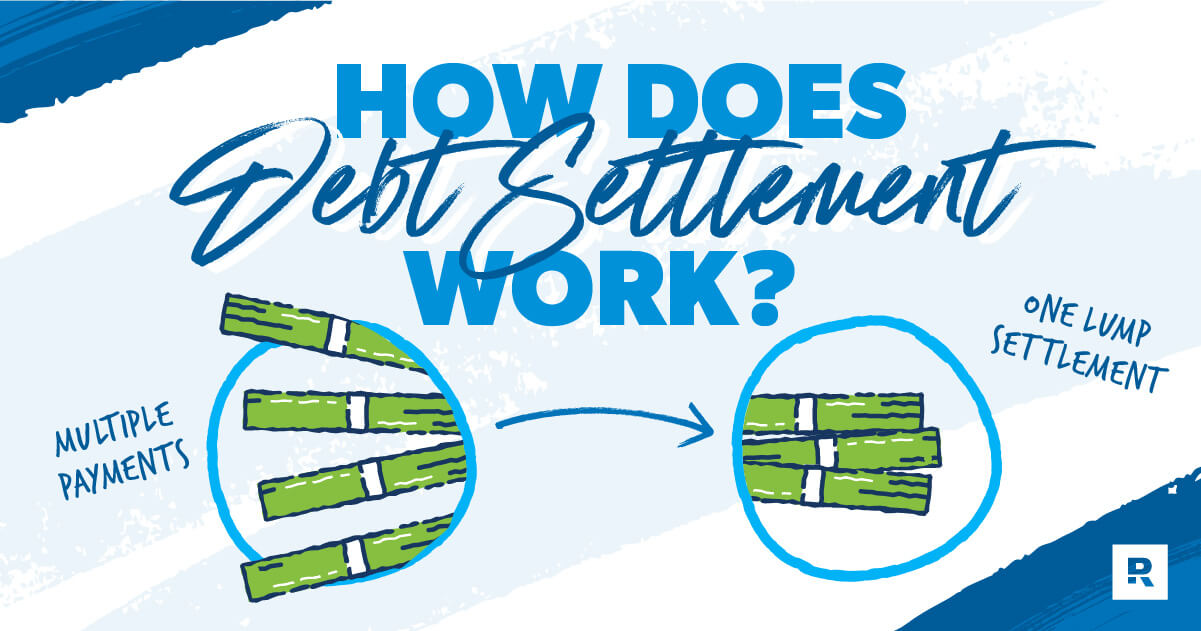
That liberates cash in the short-term, and you may have 3 to 4 years to save toward the settlement amount. Extremely unsafe to debt ratings, mainly as a result of missed out on settlements and a negative "worked out" mark that can remain on your credit history report for as much as 7 yearsMay be just alternative if other choices (financial obligation combination, balance transfer credit history cards, financial debt mercy) aren't possibleTypically calls for a fee to the 3rd party, which might offset some or all of the savings from financial debt settlementMay help you avoid personal bankruptcy if you've missed a number of paymentsNot all creditors collaborate with debt negotiation companies Financial debt forgiveness may be best for you if you are experiencing a financial difficulty that makes it nearly impossible to pay down your financial debt equilibriums.

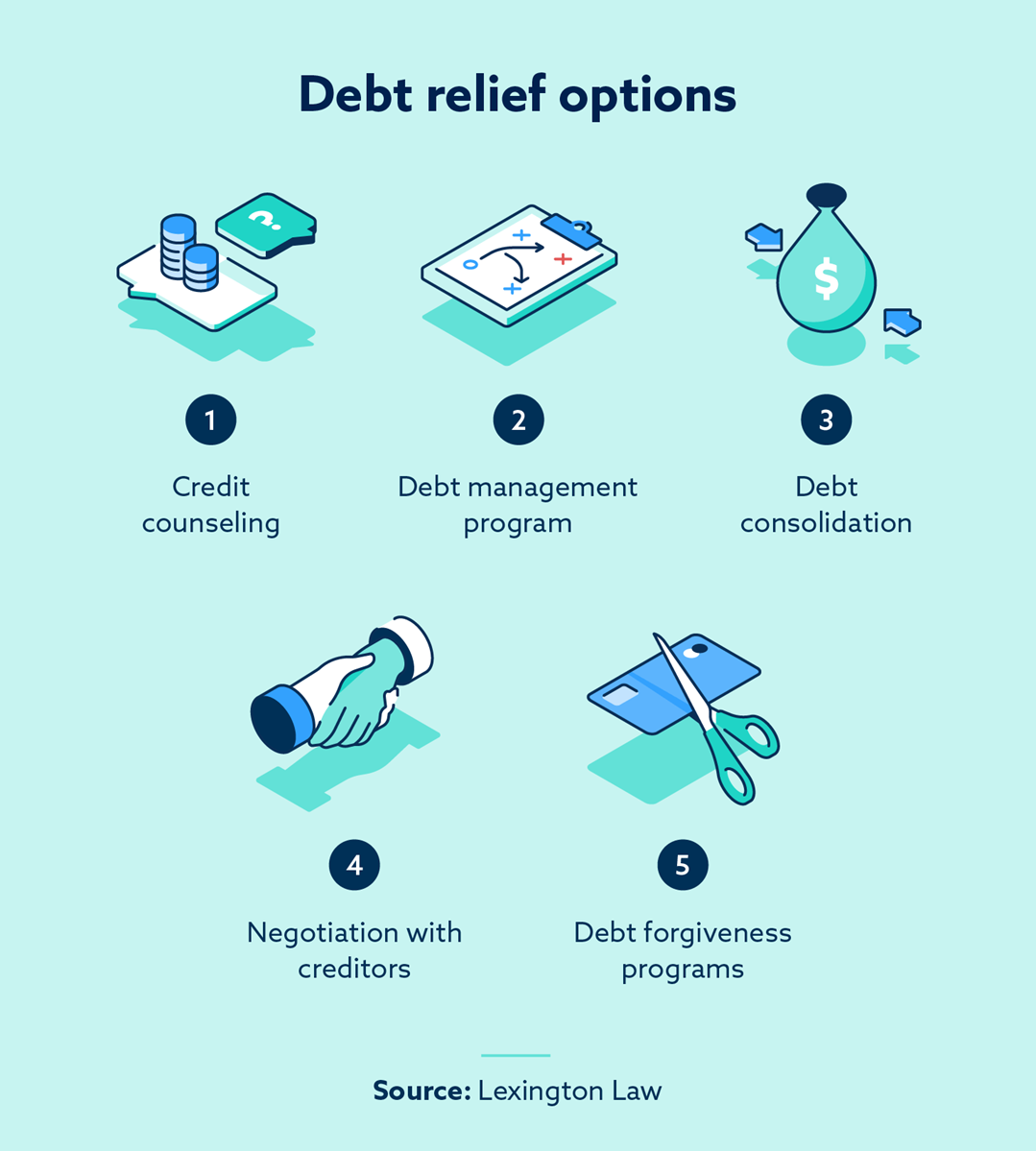
With a DMP, you make one regular monthly settlement to the credit score counseling agency. Those funds are then dispersed to creditors of your unsafe debts, such as bank card and installment financings. The company functions with your creditors to lower rates of interest or waive fees, but some creditors might reject such giving ins.
It can aid you pay down financial obligation if you're able to safeguard a financing rate that's reduced than the typical rate of the accounts you're consolidating. You should refrain from racking up financial obligation on those newly removed accounts or your financial obligation could grow also higher.
These cards often use a 0% interest initial duration of approximately 21 months. That provides you a lot of time to eliminate or considerably minimize your equilibrium while making interest-free payments. For some individuals dealing with insurmountable financial debt, bankruptcy may be the only means to quit collection process and lawfully settle their debts.
The 3-Minute Rule for Consumer Protections When Pursuing Bankruptcy Counseling
You may require it if your lender or a debt collector ever before attempts to accumulate on the debt in the future. The letter can confirm you do not owe what the debt collector's records reveal. Yes, in many cases, the internal revenue service considers forgiven financial debt as gross income. When a loan provider forgives $600 or even more, they are called for to send you Type 1099-C.
Debt mercy or settlement often injures your credit rating. Anytime you work out a financial debt for much less than you owe, it might show up as "resolved" on your credit scores report and affect your credit report for 7 years from the day of negotiation. Your credit rating can additionally go down substantially in the months leading to the forgiveness if you fall back on repayments.
All About Ways Credit Counseling Services : APFSC Help for Debt Management Guarantees Professional Standards
This circumstance often results from underreporting earnings, not submitting returns on time, or inconsistencies found throughout an IRS audit. The repercussions of accumulating tax obligation debt are significant and can include tax liens, which provide the IRS a lawful claim to your building as safety for the financial debt.
Greater rate of interest on offered credit. Wages and Financial institution Accounts internal revenue service can levy (seize) earnings and savings account to satisfy the financial debt. Lowered income and interruption of important financial procedures. Residential property Seizure In extreme cases, the IRS can seize and offer residential or commercial property to cover the financial debt. Loss of valuable properties and possible variation.
Social Stigma Encountering lawful action from the Internal revenue service can carry social preconception. Work Opportunities A poor credit scores rating due to exhaust financial obligation can limit work chances. Government Advantages Tax financial debt might influence eligibility for government benefits, such as Social Safety And Security and Medicaid.
Some Known Incorrect Statements About What to Watch For When Researching a Credit Counseling Services : APFSC Help for Debt Management Provider
The OIC thinks about several variables, including the taxpayer's revenue, expenses, asset equity, and capacity to pay. Effectively working out an OIC can be intricate, requiring a comprehensive understanding of the IRS's standards and a solid debate for why your offer straightens with your ability to pay. It is essential to keep in mind that not all applications are accepted, and the procedure needs comprehensive monetary disclosure.
The IRS assesses your general monetary circumstance, including your revenue, expenses, asset equity, and ability to pay. You must also be current with all declaring and settlement demands and not be in an open bankruptcy case. The internal revenue service also considers your compliance history, evaluating whether you have a document of prompt declaring and paying tax obligations in previous years.
The Protecting Yourself Against Fraudulent Operators Statements
The application process for a Deal in Compromise includes a number of detailed steps. First, you need to complete and submit internal revenue service Type 656, the Deal in Compromise application, and Form 433-A (OIC), a collection details statement for people. These forms require detailed financial info, consisting of information about your income, debts, costs, and possessions.
Back tax obligations, which are unpaid taxes from previous years, can considerably increase your complete IRS financial debt otherwise attended to quickly. This financial obligation can accrue passion and late payment charges, making the initial amount owed a lot bigger with time. Failure to repay taxes can lead to the internal revenue service taking enforcement activities, such as providing a tax obligation lien or levy versus your residential property.
It is necessary to resolve back tax obligations as quickly as feasible, either by paying the total owed or by arranging a layaway plan with the internal revenue service. By taking positive steps, you can stay clear of the build-up of added passion and charges, and prevent much more aggressive collection activities by the IRS.
One typical factor is the idea that the taxpayer can pay the complete amount either as a round figure or with a layaway plan. The IRS likewise considers the taxpayer's revenue, costs, possession equity, and future earning potential. If these elements indicate that the taxpayer can pay for to pay greater than the offered amount, the IRS is likely to reject the deal.
The smart Trick of Recovering Your Financial Standing Following Debt Forgiveness That Nobody is Talking About
Dealing with Internal revenue service debt can be complex and complicated. Tax obligation specialists, such as CPAs, tax attorneys, or signed up agents, can offer vital help.

Table of Contents
Latest Posts
Some Known Factual Statements About How Tech Is Making Debt Relief Better

The 25-Second Trick For When Why Community Matters
:max_bytes(150000):strip_icc()/DebtRelief-BestDebtReliefCompaniesImage-65c32a5716014aeca3a4e55477cb8130.png)
What Does The Pros and Cons of Bankruptcy Mean?
More
Latest Posts
Some Known Factual Statements About How Tech Is Making Debt Relief Better
The 25-Second Trick For When Why Community Matters
What Does The Pros and Cons of Bankruptcy Mean?